TW10 carpet cleaning tips for Ham Common flats
If you live in a Ham Common flat, carpet care can feel strangely specific. One spill near the sofa, a damp day with shoes tracking in grit, and suddenly the whole room looks tired. These TW10 carpet cleaning tips for Ham Common flats are designed to help with exactly that: everyday mess, awkward stairwell access, slower drying times, and the kind of wear that flats tend to get in busy London life.
Whether you're trying to freshen up a rental before a move, keep a family flat feeling cleaner for longer, or decide when to book a professional deep clean, the good news is this: most carpet problems are manageable if you tackle them in the right order. A little know-how goes a long way. And honestly, that's usually the difference between a quick tidy-up and a stained patch that keeps coming back at you like it has a personal vendetta.
Below you'll find a practical guide that covers how carpet cleaning works in flats, what helps most, what to avoid, and how to make decisions without overcomplicating it.
- Why it matters
- How it works
- Key benefits
- Who it's for
- Step-by-step guidance
- Expert tips
- Common mistakes
- Tools and recommendations
- Compliance and best practice
- Methods compared
- Real-world example
- Checklist
- Conclusion
- FAQs
Why TW10 carpet cleaning tips for Ham Common flats Matters
Flats in Ham Common often live with a few practical realities that houses sometimes escape: tighter hallways, limited storage, less airflow, and carpets that can hold on to cooking smells, pet odour, and day-to-day dust more stubbornly than you'd expect. If you're in a ground-floor flat, you may also get a bit more outdoor soil brought in on shoes. If you're higher up, you might notice carpets taking longer to dry because opening windows for long periods isn't always comfortable or secure.
That matters because carpet cleaning in a flat is not just about looks. It's about comfort, smell, hygiene, and how long the carpet lasts. A carpet that's cleaned correctly tends to stay softer underfoot, hold less embedded grit, and look less flattened in the main walkways. In a smaller home, that visual difference is huge. You notice it the moment you walk in.
There's also the landlord or letting-agent angle. If you rent, a carpet that's obviously been neglected can complicate end-of-tenancy checks. If you own, regular care protects one of the biggest soft furnishings in the flat. To be fair, carpets are easy to forget about until they start looking a bit grey around the edges.
For broader service information, it can also help to understand the main carpet cleaning options available, especially if you're weighing up spot cleaning against a deeper treatment.
How TW10 carpet cleaning tips for Ham Common flats Works
The basic idea is simple: remove loose dirt first, treat stains carefully, then clean the carpet in a way that matches the fibre, backing, and drying conditions in your flat. The details are where people either get a decent result or make a mess of it.
Most carpets trap three layers of grime. The first is surface debris like dust and hair. The second is the gritty stuff worked into the pile by foot traffic. The third is the sticky residue from spills, drinks, oils, and old cleaning product. Vacuuming handles the first layer. Pre-treatment and agitation help with the second and third. If the carpet is wool, blended fibre, or synthetic, the approach changes slightly.
In flats, the drying phase matters just as much as the washing phase. Over-wetting carpet in a compact space can lead to musty smells, slow drying, and frustration. You want controlled moisture, good airflow, and patience. Not glamorous, but very real.
Professional methods often use hot water extraction, sometimes referred to as steam carpet cleaning in everyday conversation. If you want a closer look at that method, the site's steam carpet cleaning page explains it in a straightforward way. The big advantage is deeper soil removal, but only when the carpet can dry properly afterwards.
There's a practical order to this work:
- Inspect the carpet and identify the main problem areas.
- Vacuum thoroughly, especially edges and under furniture.
- Test any spot treatment in a discreet place.
- Pre-treat stains with the right product or method.
- Clean section by section rather than drenching the whole room.
- Speed up drying with airflow and sensible room temperature.
- Check the carpet once dry and repeat small areas if needed.
Key Benefits and Practical Advantages
Good carpet care in a flat isn't just cosmetic. It makes daily life easier. You feel it when the room smells fresher, you see it when light hits the pile, and you notice it when walking barefoot across the floor. Small thing? Maybe. But then again, small things are often what make a home feel right.
- Better appearance: Clean carpets brighten a room fast, especially in smaller Ham Common flats where natural light can be limited.
- Improved indoor comfort: Less dust and grit means a cleaner-feeling living space.
- Longer carpet life: Embedded soil wears fibres down over time, so regular care protects the pile.
- Smell control: Kitchens, pets, damp shoes, and winter weather all leave traces. Cleaning helps reset the room.
- Easier upkeep: A well-maintained carpet is less likely to cling on to spills later.
- Better rental presentation: Useful if you're moving out, taking photos for a listing, or preparing for a landlord inspection.
There's a second benefit people often miss: confidence. A fresh carpet makes the whole flat feel more looked after, even if the rest of the home is lived-in and a bit messy around the edges. Let's face it, most homes are.
Who This Is For and When It Makes Sense
These tips are useful for anyone living in a Ham Common flat, but they're especially helpful if you fall into one of these groups:
- Renters: if you want to protect your deposit or leave the flat in good condition.
- Homeowners: if you're trying to keep the flat comfortable without replacing carpets too early.
- Pet owners: because fur, mud, and the occasional accident can settle in quickly.
- Families: with spills, crumbs, and heavy foot traffic in hallways and play areas.
- Older residents: who value a cleaner, less dusty environment and straightforward maintenance.
- Busy professionals: who need a practical routine rather than a weekend of endless scrubbing.
It also makes sense when you notice one of the usual warning signs: flat-looking pile, a stale smell after rain, traffic lanes in the hallway, or a stain that keeps reappearing after you dab it. That last one usually means the spill soaked deeper than the surface. Annoying, yes, but fixable.
If your carpet issue is really more about a specific mark, you may also find the stain removal service overview useful, because not every stain needs the same treatment.
Step-by-Step Guidance
Here's a sensible process you can follow in a flat without turning the place upside down.
1) Start with a proper inspection
Look at the carpet in daylight if you can. Check walkways, edges near skirting boards, around radiators, and under movable furniture. You're looking for stains, matting, odour, and any signs of colour change. Some marks are just surface dirt; others are old residue that needs more careful treatment.
2) Clear the room enough to work safely
You do not need to empty the flat. Be realistic. Move smaller furniture, raise cables, and free up the main traffic area. In a compact Ham Common flat, that usually means creating a central working lane and cleaning one zone at a time.
3) Vacuum slowly and thoroughly
Fast vacuuming is one of those habits that feels efficient but really isn't. Go slowly. Use overlapping passes. Hit the edges and corners too, because that's where dust gathers and goes unnoticed. If your vacuum has a brush setting, test it carefully on the carpet pile.
4) Deal with fresh spills immediately
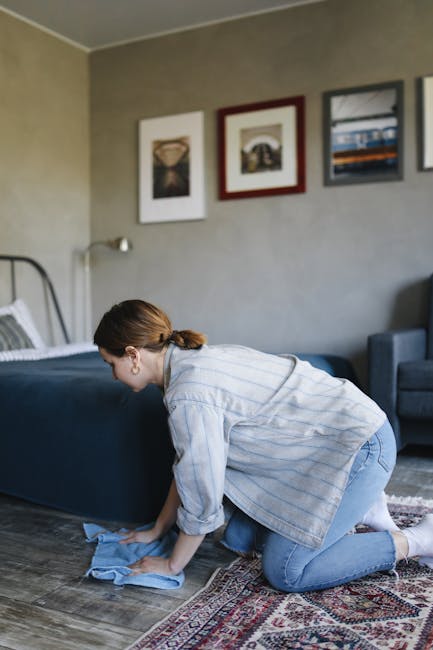
For fresh spills, blot rather than rub. Use a clean white cloth or paper towel and work from the outside of the stain inward. Rubbing tends to spread the mess and push it further in. For drinks, food spills, or pet accidents, a light approach is usually better than a heroic amount of scrubbing. Heroic scrubbing rarely ends well.
5) Pre-treat the problem areas
Apply the right spot treatment sparingly and let it do its job. If you're not sure how a product will react with your carpet fibre, test it somewhere hidden first. A small patch behind furniture is better than discovering a colour change in the middle of the living room. Trust me, that's not a fun surprise.
6) Clean the carpet in manageable sections
Whether you're using a household machine or arranging a professional clean, sectioning helps control moisture and makes drying easier. In a flat, that matters. Clean one area, monitor the dampness, then move on only once the previous section is under control.
7) Focus on drying
Open windows where safe, use a fan if you have one, and avoid walking across the carpet more than necessary. If furniture must go back in before the carpet is fully dry, place protective pads or foil under legs to avoid marks. That small extra step saves headaches later.
8) Recheck once dry
When the carpet is dry, inspect high-traffic lanes and the original stain spots. Sometimes residue rises slightly as the carpet dries. If that happens, a second light treatment is often better than one aggressive repeat clean.
Expert Tips for Better Results
Small improvements make a big difference in flats, especially where space and airflow are limited.
- Work from clean to dirty: start with the least soiled area and finish with the worst patch. It helps avoid dragging dirt around.
- Use less water than you think: a common mistake in flat cleaning is over-wetting. More moisture does not equal more clean.
- Protect hallways first: if your flat has a narrow entrance runner or shared hallway access, put down a mat so you don't undo your own work.
- Rotate furniture occasionally: moving a sofa or table a little can reduce permanent wear lines in the same spots.
- Treat odour separately: a carpet can look clean but still smell off. Pet odour, food smells, or damp require specific attention. The pet stain and odour removal page is a useful reference if animals are part of the picture.
- Don't ignore curtains and upholstery: soft furnishings hold smells and dust too, so a carpet clean may feel incomplete if the sofa and curtains are equally tired.
For a more joined-up clean, it can help to think in terms of the whole room rather than one surface. If your sofa is holding on to odours or marks, sofa cleaning and upholstery cleaning can make the space feel genuinely refreshed. A dusty curtain, oddly enough, can make a room smell older than the carpet does.
One more practical note: if you're between seasons, early spring and early autumn are often easier times to clean because temperatures are moderate and drying is less awkward than in deep winter. Not a hard rule, just a useful rhythm.
Common Mistakes to Avoid
Most carpet problems in flats get worse because of simple mistakes, not dramatic failures. Here's what to watch for.
- Scrubbing stains hard: this can rough up the fibres and push the stain deeper.
- Using too much product: residue attracts dirt, which means the carpet looks dull again sooner.
- Skipping the vacuum: wet cleaning over grit turns tiny particles into abrasive mud.
- Cleaning without testing: always check a discreet area first if you're using a new product.
- Letting carpets stay damp too long: this can leave a stale smell in a flat where air movement is limited.
- Ignoring the underlay or backing: if moisture gets deep, the problem is no longer just visible on the surface.
- Waiting too long on stains: old marks are harder, more stubborn, and sometimes require specialist treatment.
And one sneaky one: forgetting about footwear. If people keep walking in from the street with wet soles, you'll be back at square one fairly quickly. A decent mat near the door is boring, yes, but very effective.
Tools, Resources and Recommendations
You do not need a cupboard full of gadgets. In most Ham Common flats, a modest set of tools does the job if you use them properly.
| Tool or method | Best for | Notes |
|---|---|---|
| Vacuum cleaner with upholstery and edge tools | Routine maintenance | Slow passes remove more grit and dust from corners. |
| Microfibre cloths | Blotting spills | Use clean, white cloths so you can see transfer and avoid colour bleed. |
| Spot treatment | Fresh stains | Test first and avoid soaking the area. |
| Carpet cleaning machine | Deeper cleaning | Useful when carpets are visibly dull, but drying must be managed carefully. |
| Fan or good airflow | Drying | Helps prevent lingering dampness, especially in compact rooms. |
| Professional hot water extraction | Heavier soiling | Usually the best option for embedded dirt or persistent odour. |
If you're deciding whether DIY or professional cleaning makes more sense, the difference often comes down to time, access, and drying conditions. For straightforward refreshes, DIY can be fine. For deep grime, pet issues, or end-of-tenancy preparation, a professional clean is usually the calmer choice. If you want to compare service types, the site's curtain cleaning, rug cleaning, and mattress cleaning pages are helpful if you're thinking beyond the carpet too.
For pricing questions, start with the pricing and quotes page. And if you're looking at payment confidence or booking details, the pages on payment and security and terms and conditions are worth a quick read. It's not thrilling reading, granted, but it does reduce surprises.
Law, Compliance, Standards, or Best Practice
Carpet cleaning in flats is usually straightforward, but there are still sensible standards to follow. If you rent, check your tenancy agreement before booking any heavy cleaning work, especially if you plan to use a machine with a lot of water. Some landlords care more about the final result than the method; others have preferences about professional cleaning before checkout. Best to know early.
From a practical standpoint, good practice in the UK usually means using products as directed, avoiding unnecessary water damage, and being mindful of electrical safety when cleaning around sockets, leads, and appliances. In a flat, that matters more than people realise. Water and cables do not make a lovely pair.
Businesses cleaning carpets in occupied properties should also be clear about insurance, safety procedures, and the handling of any accidental damage. If that's relevant to you, the site's insurance and safety and health and safety policy pages explain the company's approach in plain language.
There is also a wider expectation around responsible working practices. If that matters to you as a customer, you may appreciate the company's recycling and sustainability information, along with the about us page for background on how the business presents itself. Transparency is not fancy, but it is reassuring.
Options, Methods, or Comparison Table
Different carpet-cleaning approaches suit different flat situations. Here's a plain-English comparison.
| Method | Best for | Pros | Watch-outs |
|---|---|---|---|
| Vacuuming only | Routine upkeep | Fast, cheap, keeps grit down | Won't remove deep stains or embedded dirt |
| Spot cleaning | Fresh spills and isolated marks | Targeted, low disruption | Can leave rings if overused or poorly dried |
| DIY machine cleaning | Moderate soiling in accessible rooms | Good refresh, decent value | Risk of over-wetting and longer drying |
| Professional hot water extraction | Heavy soil, odour, end-of-tenancy cleans | Deep clean, more consistent finish | Needs correct drying and room access planning |
For many Ham Common flats, the best answer is a mix: regular vacuuming, careful spot treatment, then a deeper clean when the carpet starts looking tired or a move-out date is approaching. Not everything needs a full service every time, and not every stain needs drama.
Case Study or Real-World Example
Imagine a two-bedroom flat near Ham Common with a carpeted hallway, a living room, and one bedroom that gets used as a home office. Over time, the hallway starts to look slightly darker where people walk through with shoes, and the living room has a faint tea stain near the armchair. Nothing catastrophic, just enough to make the place feel a bit flat.
The sensible approach is not to attack everything with the strongest cleaner you can find. First, vacuum the whole flat slowly, especially along the hall edge where dust and grit gather. Then treat the tea mark with a light blotting method and a suitable spot cleaner. After that, clean the main living room and hallway in sections, keeping the moisture level controlled so the flat doesn't turn into a damp box for the evening.
Once dry, the carpet looks more even, the hallway feels less tired, and the tea mark is no longer the first thing you see on the way in. The difference is subtle but real. You know those tiny improvements that make a home feel calmer? This is one of them.
If the flat also has a sofa that holds onto everyday odours, pairing the carpet clean with sofa cleaning or upholstery cleaning can make the result feel much more complete. If there's a pet in the flat, you may also want targeted pet stain odour removal support rather than trying to mask smells with fragrance sprays. Masking is not the same as solving.
Practical Checklist
Use this before and after cleaning your flat's carpets.
- Vacuum all carpeted rooms slowly, including edges and corners.
- Identify fresh stains and older set-in marks separately.
- Test any new cleaner in a hidden spot.
- Blot spills instead of rubbing them.
- Use the smallest amount of moisture needed.
- Open windows or set up airflow for drying, where safe.
- Keep foot traffic off the carpet until it is properly dry.
- Check for lingering odour once the carpet has dried.
- Revisit traffic lanes and doorways after a few days.
- Book a deeper clean if dirt, smell, or wear keeps coming back.
Expert summary: In Ham Common flats, the smartest carpet cleaning approach is usually controlled, not aggressive. Focus on vacuuming well, treating stains early, and drying thoroughly. That combination solves more problems than fancy products ever will.
Conclusion
Good carpet care in a TW10 flat is really about making the space feel easier to live in. Clean carpets brighten small rooms, cut down on grit underfoot, and help your flat feel fresh without needing a major overhaul. The best results usually come from simple habits: vacuum properly, treat spills quickly, avoid soaking the carpet, and choose deeper cleaning when the carpet genuinely needs it.
Ham Common flats bring their own challenges, but nothing unusual or impossible. A bit of patience, a sensible method, and the right support when needed is usually enough. And once you've dealt with the carpets, the whole place tends to breathe a little easier. Strange how much that matters, really.
If you want clear guidance on service options, trusted information, and next steps, explore the relevant pages carefully and choose the approach that fits your flat, your schedule, and your carpet's current mood.
Get a free quote today and see how much you can save.
Frequently Asked Questions
How often should carpets be cleaned in a Ham Common flat?
It depends on foot traffic, pets, and how much dust or outdoor dirt gets brought in. Most flats benefit from regular vacuuming and a deeper clean when the carpet starts looking dull, smelling stale, or feeling flattened in the main walkways.
Is steam cleaning safe for flat carpets?
Usually yes, if the carpet fibre suits the method and drying is managed properly. The main risk in flats is not the cleaning itself but leaving too much moisture behind. That's what tends to cause lingering smells or a sluggish dry time.
What's the best way to remove a fresh spill?
Blot it gently with a clean cloth, working from the outside in. Avoid scrubbing, because that often spreads the stain or drives it deeper. If needed, use a small amount of suitable spot treatment after testing it first.
Why do carpet stains sometimes come back after cleaning?
That usually happens when residue from the spill is still in the backing or underlay, or when too much moisture pulls dirt back up as it dries. It's frustrating, yes, but it often means the area needs a more careful second pass.
Can I clean carpets myself in a rented flat?
Yes, in many cases you can. Just check your tenancy terms first and be careful with moisture, drying, and any product you use. If the carpet is heavily soiled or you're moving out, a professional clean may be easier and less stressful.
How do I reduce drying time after carpet cleaning?
Use less water, improve airflow, and avoid putting furniture back too soon. Opening windows where safe and using a fan can help. In smaller flats, drying time is often more about ventilation than the cleaning product itself.
What should I do about pet smells in carpet?
Treat the source, not just the surface. Pet odour often sits deeper in the carpet fibres or underlay, so a simple fragrance spray won't solve it. Targeted treatment is usually the better route.
Are DIY carpet machines worth it for flats?
They can be, especially for moderate dirt or a routine refresh. But they are not always the best choice for delicate carpets, stubborn stains, or rooms with poor airflow. In those cases, professional cleaning can be the calmer option.
Do carpets in flats get dirtier than in houses?
Not necessarily dirtier, but they can show wear differently. Shared hallways, limited drying space, and compact rooms can make dust and traffic lanes more noticeable. A smaller space also tends to reveal everyday mess faster.
What's the difference between carpet cleaning and stain removal?
Carpet cleaning is the broader process of refreshing the whole carpet, while stain removal targets a specific mark or patch. Sometimes you need both. A general clean can remove dullness, but a stubborn stain may need a separate treatment.
How do I know when to book a professional clean?
If stains keep returning, odours linger after cleaning, traffic areas stay grey, or the flat just doesn't feel fresh anymore, it's probably time. Professional cleaning is also sensible before the end of a tenancy or when carpets haven't been properly cleaned for a long while.
Can carpet cleaning damage wool carpets?
It can, if the wrong products or too much water are used. Wool needs a gentler approach than many synthetic carpets. If you're unsure about the fibre type, check first and avoid heavy-handed cleaning.